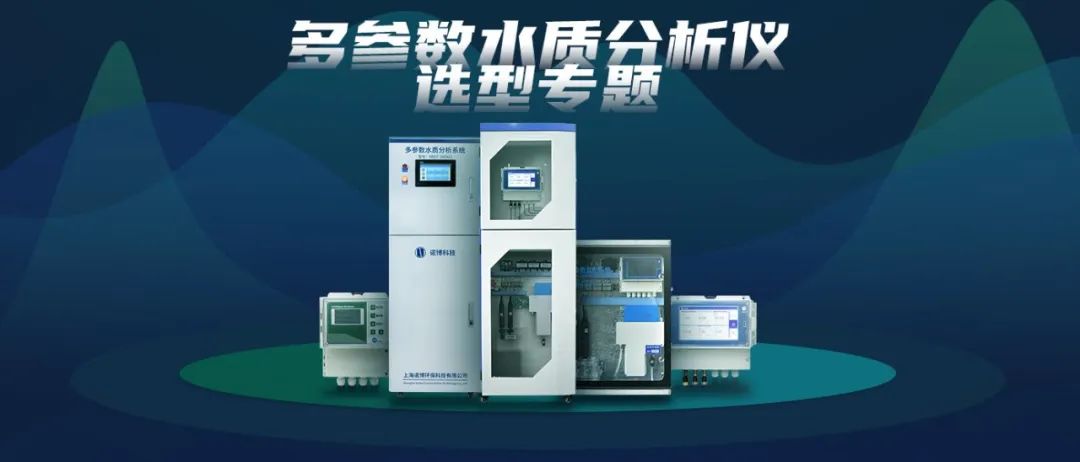
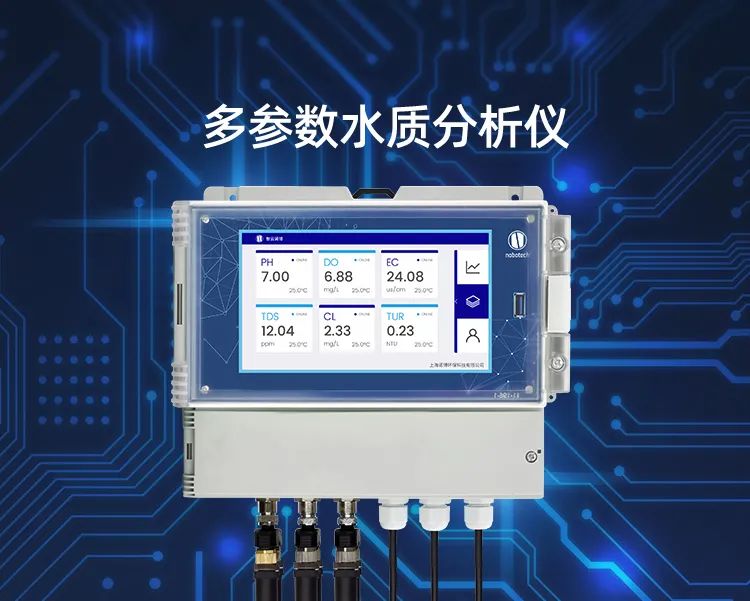
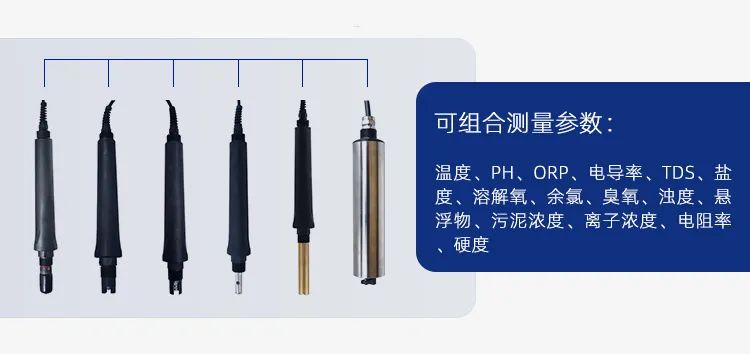
Scheme of drinking water quality detection parameter system
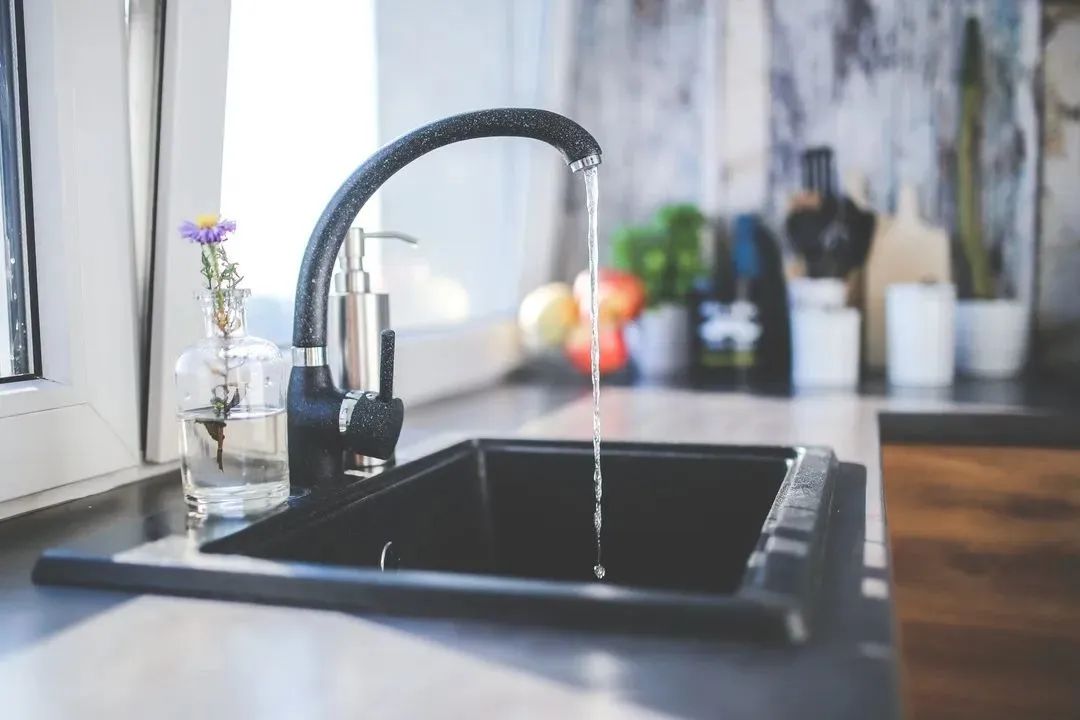
Water is an indispensable resource in people's daily life. It is no exaggeration to say that water is the source of life. People's food is diversified, and only water is irreplaceable. We have to touch water every day. When we turn on the tap, the water flows out in a clatter. It looks very clear and clean, but is it really clean?
Why does the kettle have scale?
What are the tiny floating objects in the water?
These questions about tap water,
I believe everyone has.
How about the quality of tap water?
Can you drink it safely?
With these questions,
Let's move on
☟☟☟
In the standard of drinking water, the limit values of microorganisms, bacteria and radioactivity in water are specified in detail. The hardness of the water is strange. How can the water have hardness? In fact, the water quality is excellent because the content of calcium and magnesium ions in the water is too high. If you drink this excellent water for a long time, it will lead to stones in the human body.
polular science:
The hardness of water mainly refers to the sum of calcium and magnesium ions in water.
To turn water into tap water, it must go through coagulation, sedimentation, filtration, disinfection and other processing procedures, and then pass through the pipe network to the people's homes after detection.
Important parameter indexes of water quality detection:
Residual chlorine
Residual chlorine refers to the amount of chlorine left in the water after it is disinfected with chlorine for a certain time. The continuous bactericidal ability in water can prevent the self pollution of water supply pipes and ensure the water quality.
According to the Sanitary Standard for Drinking Water in China, the chlorine shall not be less than 0.3mg/L after 30 minutes of contact with water. Except that the factory water of centralized water supply shall meet the above requirements, the water at the end of the pipe network shall not be less than 0.05mg/L.
In addition, if the residual chlorine concentration in tap water is too high, the following hazards will exist:
A. It is very irritating and harmful to the respiratory system.
B. It is easy to react with organic substances in water to generate carcinogens such as chloroform.
turbidity
It is a measure of the decrease in transparency of water caused by insoluble substances in water. It is an expression of the optical properties of water samples, which is used to express the degree of clarity and turbidity of water. It is one of the most important indicators to measure the quality of water, and is also an important basis for assessing the purification efficiency of water treatment equipment and evaluating the state of water treatment technology. The decrease of turbidity means that the content of organic matter, bacteria, viruses and other microorganisms in the water body decreases, which can not only improve the disinfection and sterilization effect, but also reduce the generation of halogenated organic matter.
Total number of bacteria
Bacteria contained in water come from air, soil, sewage, garbage, animals and plants. There are many kinds of bacteria in water, including pathogenic bacteria. The standard for drinking water in China is that the total number of bacteria in 1ml water shall not exceed 100.
chroma
Most people can detect the chromaticity of drinking water when it is greater than 15 degrees, and people feel disgusted when it is greater than 30 degrees. The standard stipulates that the chromaticity of drinking water shall not exceed 15 degrees.
pH
PH is one of the most important and frequent detection items in chemistry and an important parameter for evaluating water quality. Although it has no direct health effect, it will affect other water quality indicators and water treatment effect. Too low PH value will corrode the water pipe, and too high PH value will cause dissolved salt to precipitate, reducing the chlorination disinfection effect. At the same time, long-term drinking of water with low or high PH will also have a certain impact on human physiological health.
conductivity
Conductivity is an indicator of the conductivity of solution. Generally, the more impurities in the water, the stronger the conductivity of the water. Therefore, the conductivity value can reflect the amount of impurities in the water body from the side; The purer the water, the smaller the conductivity.
stink
The generation of water odor is mainly due to the presence of organic substances, which may be the performance of increased biological activity or industrial pollution. The change of normal odor of public water supply may be a signal of the change of raw water quality or inadequate water treatment.
Escherichia coli
Escherichia coli is an indicator of fecal pollution, and the situation detected from it can indicate whether there is fecal pollution in the water and the degree of pollution. In the process of water purification, if the total coliform index can meet the requirements of drinking water standards after disinfection, it means that other pathogens are basically killed. The standard is no more than 3/L.
Water quality detection is an indispensable link to ensure water safety, and water quality detection parameters provide technical guarantee for water safety and water pollution control. The online monitoring system for domestic water quality is an automatic water quality monitoring system set up on the site, which is used to continuously and automatically monitor the water quality changes of the measured water body, objectively record the water quality status, timely detect abnormal changes in water quality, and then report the water quality of the water supply point, so as to achieve continuous monitoring of residual chlorine, turbidity, pH, conductivity and other parameters of the drinking water pipe network, prevent water pollution accidents, and provide customers For the purpose of providing technical services and monitoring data with relevant regulatory authorities, the water company has provided effective solutions to ensure the safety of drinking water quality.